


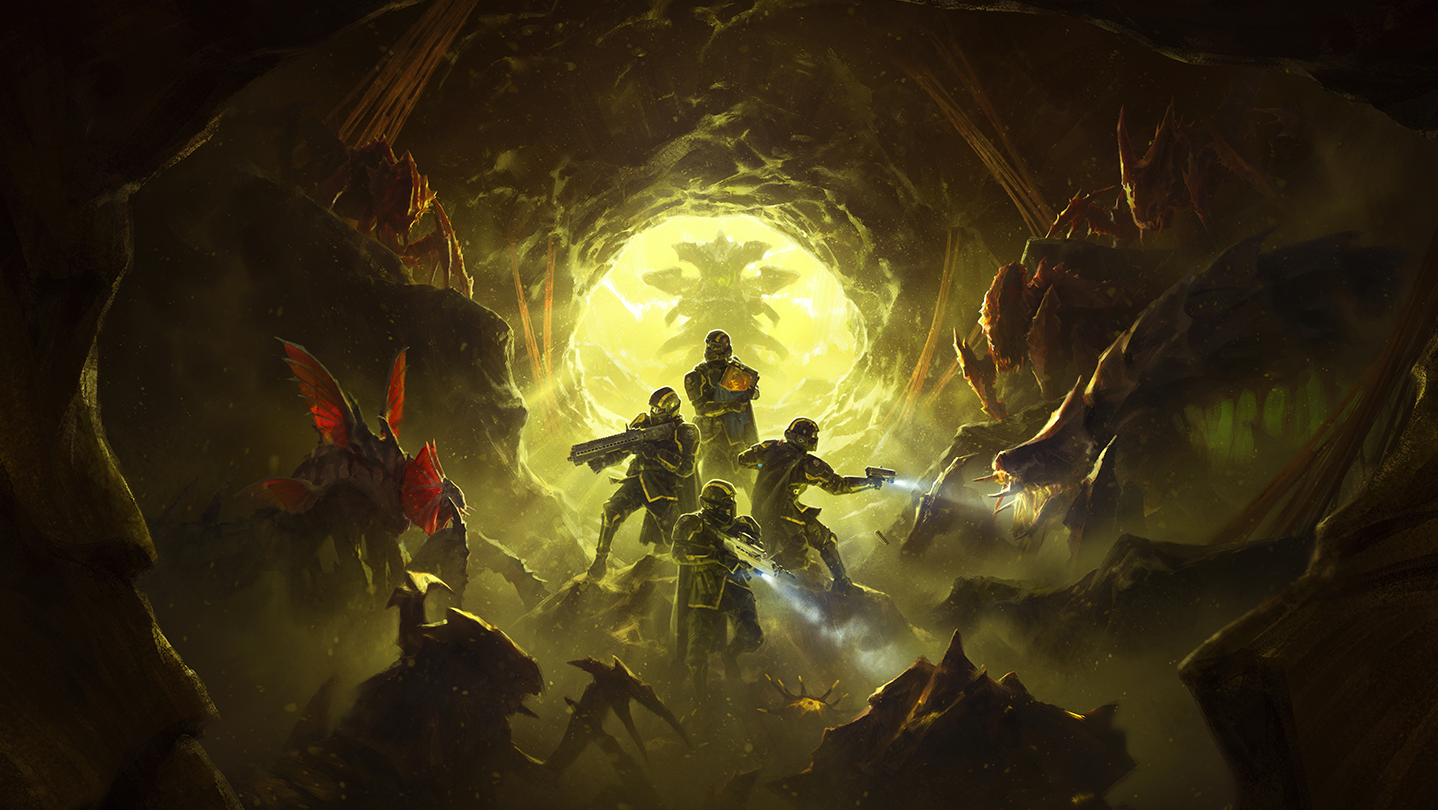


Agen jitutoto menampung pembelian nomor lotre togel secara eceran, namun pemain tetap berkesempatan menang besar dengan hadiah utama senilai 10 juta di JITUTOTO X 777 SLOT.
| Interface | Full Audio | Subtitles | |
|---|---|---|---|
| English | ✔ | ✔ | ✔ |
| French | ✔ | ✔ | ✔ |
| Italian | ✔ | ✔ | ✔ |
| German | ✔ | ✔ | ✔ |
| Spanish - Spain | ✔ | ✔ | ✔ |


Best Ongoing Game Winner - The Game Awards 2024

Best Multi-Player Winner - The Game Awards 2024
Action Game of the Year
Online Game of the Year
Outstanding Achievement in Original Music Composition
Outstanding Achievement in Audio Design
 Game of the Year 2024 (Professional)

Game of the Year 2024
Best Visual Design 2024
Best Technical Innovation 2024

Best Game Design: Helldivers 2 - Arrowhead Game Studios | Sony Interactive Entertainment
 #5 Most Wanted Game by PC Gamer
Julukan jitutoto Bandar Togel -> Prize Terbesar
Keyword :
jitutoto Togel
Hadiah Togel
Togel Online
Togel 10 Juta
Nomor Togel 4D
jitutoto resmi
jitutoto link
jitutoto login
jitutoto alternatif
Pengusaha sekaligus mantan Menteri Pariwisata dan Ekonomi Kreatif, Sandiaga Uno, menyampaikan pandangannya mengenai langkah-langkah strategis yang dapat ditempuh untuk memperkuat nilai tukar rupiah terhadap dolar Amerika Serikat. Dalam pernyataannya melalui media sosial pada awal Juni 2026, Sandiaga meyakini bahwa rupiah memiliki peluang untuk kembali menguat secara bertahap hingga berada di kisaran Rp15.000 per dolar AS apabila didukung kebijakan ekonomi yang tepat dan berkelanjutan.
Saat ini, pelemahan rupiah yang mendekati level Rp18.000 per dolar AS menjadi perhatian berbagai kalangan, baik pelaku usaha, investor, maupun masyarakat umum. Menurut Sandiaga, kondisi tersebut tidak perlu disikapi secara berlebihan selama pemerintah mampu menjaga stabilitas ekonomi makro dan memperkuat sektor-sektor produktif nasional.
Ia mencontohkan keberhasilan Indonesia pada masa pemerintahan Presiden BJ Habibie yang mampu mengembalikan kepercayaan pasar sehingga nilai tukar rupiah mengalami penguatan signifikan dalam waktu relatif singkat. Pengalaman tersebut dinilai menjadi bukti bahwa pemulihan ekonomi dan penguatan mata uang nasional dapat dicapai melalui kerja sama berbagai pihak.
Sandiaga menekankan pentingnya membangun sebuah "super team" ekonomi yang melibatkan pemerintah, pelaku industri, sektor keuangan, hingga pelaku usaha kecil dan menengah. Melalui kolaborasi tersebut, Indonesia diharapkan mampu meningkatkan ekspor komoditas unggulan seperti kopi, hasil pertanian, energi, serta berbagai produk bernilai tambah tinggi yang diminati pasar internasional.
Di sisi lain, tantangan stabilitas mata uang hari ini tidak lagi hanya berasal dari sektor perdagangan fisik, melainkan juga dari derasnya perputaran uang di ruang siber. Di tengah perkembangan ekonomi digital yang semakin pesat, fenomena lonjakan aktivitas pada platform hiburan daring seperti toto4D, slot online, dan live bet turut menjadi sorotan tersendiri bagi para pengamat ekonomi.
Tingginya intensitas transaksi di ekosistem hiburan daring ini mencerminkan adanya pergeseran pengeluaran konsumsi masyarakat ke ranah digital. Masalahnya, sebagian besar penyedia infrastruktur, jaringan server, hingga agensi utama dari platform live bet dan slot online global tersebut berbasis di luar negeri. Akibatnya, ada potensi aliran dana keluar (capital outflow) terselubung dalam jumlah mikro namun masif secara akumulatif. Ketika jutaan pengguna lokal mentransfer dana ke ekosistem siber internasional untuk mencari hiburan atau mencoba peruntungan angka di platform toto4D, konversi mata uang yang terjadi di tingkat korporasi penyedia layanan secara tidak langsung ikut memberikan tekanan tambahan terhadap likuiditas Rupiah di dalam negeri.
Analisis Ekonomi: Kebocoran devisa digital (digital drain) akibat tingginya konsumsi layanan asing—baik hiburan, streaming, maupun platform ketangkasan daring—menjadi tantangan baru bank sentral dalam menjaga keseimbangan neraca pembayaran di era modern.
Oleh karena itu, Sandiaga dan sejumlah pengamat menilai bahwa strategi penguatan Rupiah ke depan tidak bisa lagi menggunakan cara konvensional semata. Pemulihan nilai tukar harus bertumpu pada penguatan sektor digital produktif lokal yang mampu membalikkan arus modal tersebut, yakni dengan menghasilkan devisa nyata dan meningkatkan nilai tambah ekonomi nasional.
Beberapa analis ekonomi bahkan berpendapat bahwa stabilitas nilai tukar memiliki pengaruh timbal balik yang besar terhadap berbagai aktivitas bisnis modern. Hal ini mencakup industri teknologi, perdagangan elektronik (e-commerce), layanan keuangan digital, hingga ekosistem hiburan daring yang berkembang pesat beberapa tahun terakhir. Fluktuasi mata uang yang terlalu tajam dapat mengacaukan perhitungan biaya operasional komputasi awan (cloud computing) dan lisensi teknologi yang mayoritas dihargai dalam dolar AS. Kestabilan Rupiah pun dianggap sebagai fondasi mutlak dalam menjaga kepercayaan pasar dan iklim investasi nasional.
Ke depan, optimisme terhadap penguatan rupiah akan sangat bergantung pada kemampuan Indonesia dalam meningkatkan ekspor, memperluas investasi, menjaga inflasi, memperkuat industri hilirisasi, serta meningkatkan produktivitas ekonomi domestik. Dengan kombinasi kebijakan yang terukur, pemanfaatan potensi ekonomi digital yang tepat sasaran, serta koordinasi yang kuat antarlembaga, peluang rupiah untuk kembali menguat menuju level yang lebih kompetitif di kisaran Rp15.000 per dolar AS dinilai tetap terbuka dalam beberapa tahun mendatang.
Slot online merupakan salah satu bentuk permainan digital yang banyak ditemukan pada platform hiburan berbasis internet. Permainan ini umumnya menggunakan sistem gulungan virtual dengan berbagai tema, efek visual, serta fitur bonus yang dirancang untuk memberikan pengalaman interaktif kepada pengguna. Dalam praktiknya, hasil permainan ditentukan oleh sistem acak atau Random Number Generator (RNG). Meskipun sering dipromosikan dengan berbagai istilah seperti jackpot atau kemenangan besar, penting untuk memahami bahwa setiap putaran memiliki unsur keberuntungan yang tidak dapat diprediksi secara pasti. Oleh karena itu, pengguna perlu memahami risiko finansial yang dapat muncul sebelum berpartisipasi.
Toto 4D adalah permainan tebak angka yang mengharuskan peserta memilih kombinasi empat digit angka sesuai dengan ketentuan yang berlaku pada suatu pasaran tertentu. Permainan ini dikenal luas di berbagai negara Asia dan biasanya memiliki jadwal pengundian yang telah ditetapkan. Setiap kombinasi angka memiliki peluang yang sama untuk keluar dalam hasil undian. Karena bersifat acak, tidak ada metode yang dapat menjamin keberhasilan dalam memprediksi hasil secara konsisten. Berbagai strategi dan analisis angka yang beredar di masyarakat umumnya bersifat spekulatif dan tidak dapat dijadikan jaminan untuk memperoleh hasil yang diharapkan.
©2023 Sony Interactive Entertainment LLC. Developed by Arrowhead Game Studios AB. Helldivers is a registered trademark of Sony Interactive Entertainment LLC and related companies in the U.S. and other countries.